How Likely Are You to See the Northern Lights in Autumn?
While most commonly associated with winter, the Northern Lights are actually most active in autumn. In this article, we’ll delve deeper into why this is the case and what it means for those planning an aurora-viewing trip.
What Exactly Are the Northern Lights?
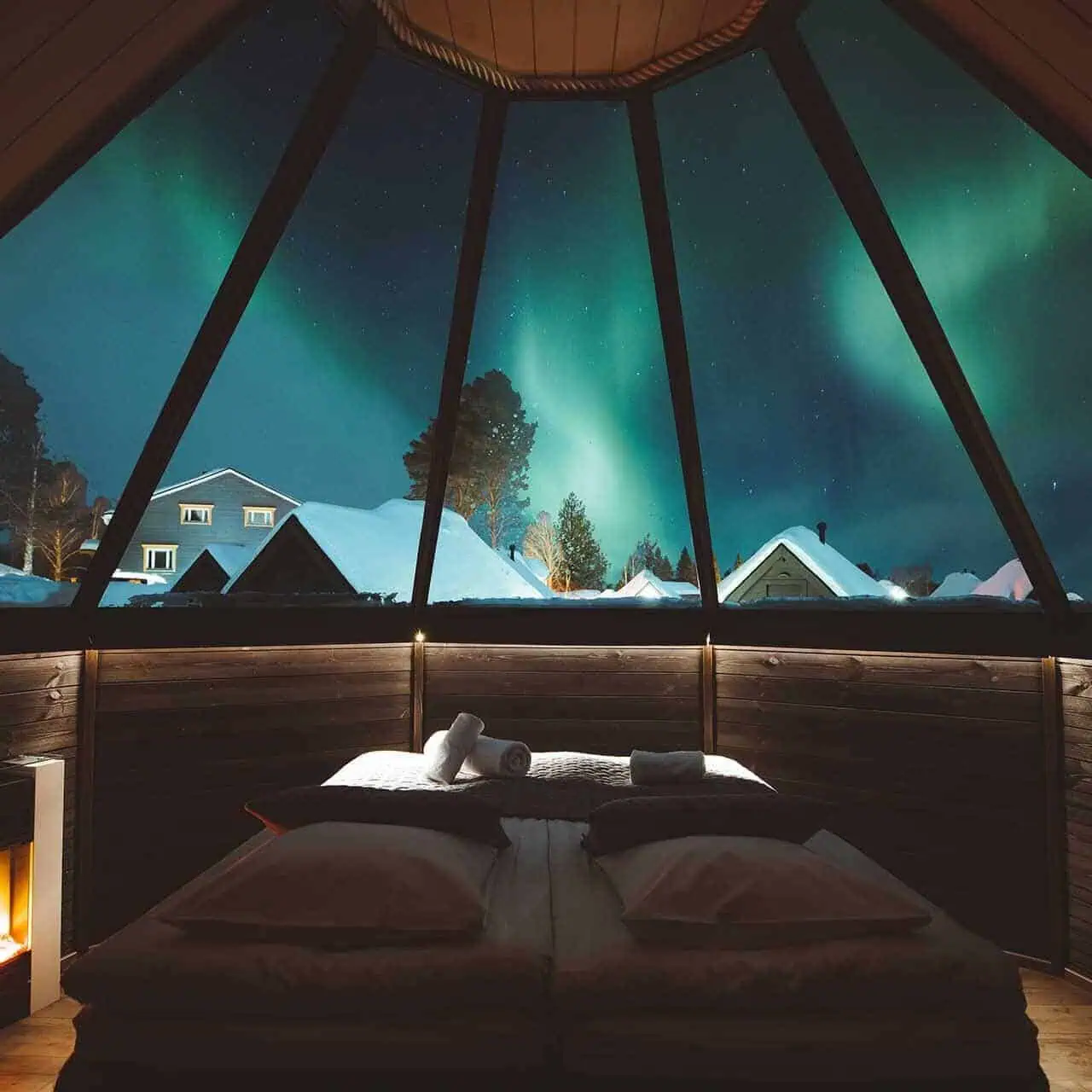
The Northern Lights, or Aurora Borealis, are widely known as one of nature’s most mesmerizing spectacles. This dazzling display is a result of the sun’s charged particles colliding with atoms in Earth’s atmosphere, creating a stunning light show in the polar regions. The colors range from vivid greens and pinks to purples and reds—sometimes blazingly bright, other times faint like a half-forgotten dream.
If you wish to learn more about the colors of the Northern Lights, we’ve touched upon the topic previously here.
While many travelers associate the Northern Lights with the deep winter months, there’s a compelling reason why autumn in Finnish Lapland is actually an optimal time to experience this natural wonder.


Why Are the Northern Lights Active in Autumn?
It all comes down to solar activity and geomagnetic conditions. During the autumn equinox in late September, the Earth’s orientation relative to the sun enhances solar wind activity. This increased solar wind interacts more effectively with the Earth’s magnetic field, leading to more frequent and intense Auroras. In Lapland, particularly from late August through October, this phenomenon creates a prime viewing window for the Northern Lights. However, frequency isn’t the only reason why Aurora enthusiasts love autumn.
In Lapland, particularly from late August through October, this phenomenon creates a prime viewing window for the Northern Lights.
Best Time to See the Aurora Borealis in Finland?
There are many reasons, beyond the number of geomagnetically active days, why enthusiastic Aurora hunters love autumn. Here, we’ve gathered a few of them to give you a good idea.
- Dark Skies and Clear Nights: As autumn progresses, the days in Lapland shorten, and the nights grow longer. This means more hours of darkness to witness the Northern Lights. Additionally, autumn weather often brings clearer skies compared to other times of the year.
- Comfortable Temperatures: Autumn offers a milder climate compared to winter, allowing for longer, more comfortable periods spent outside. This enhances your chances of seeing the Northern Lights without the need for heavy winter gear.
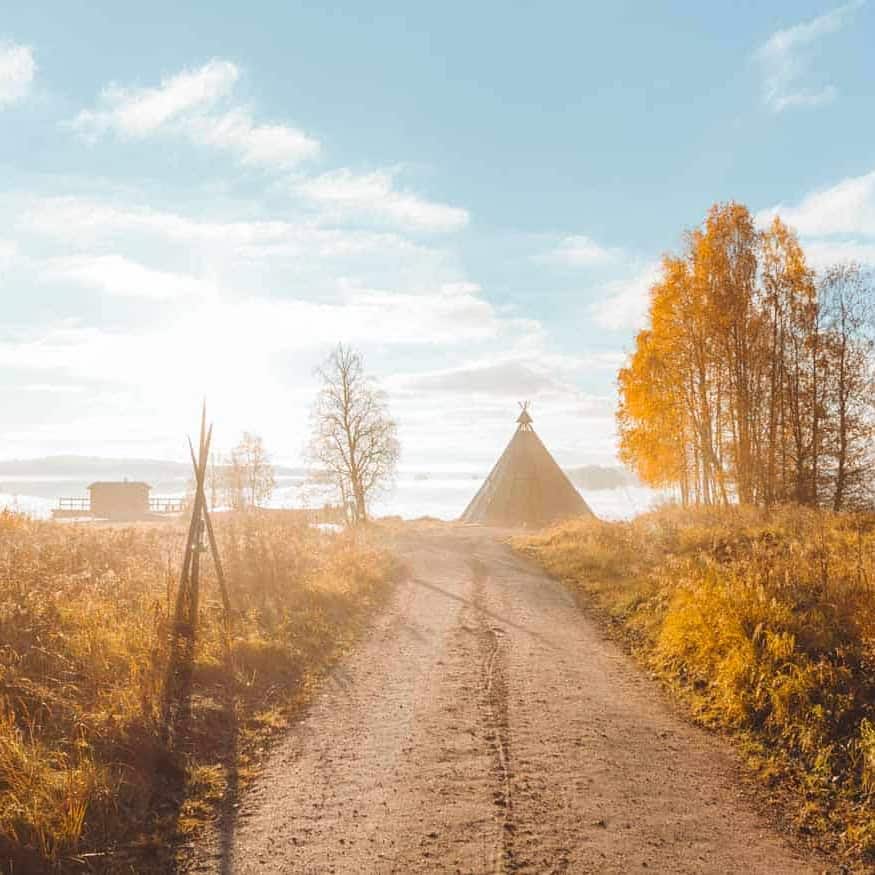
- Stunning Autumn Scenery: Autumn in Lapland is not just about the Northern Lights; it’s also a season of breathtaking natural beauty. The forests and fells are ablaze with vibrant fall colors, creating a picturesque backdrop for your Aurora-hunting adventures. The contrast between the fiery autumn foliage and the shimmering lights in the sky is a sight to behold.
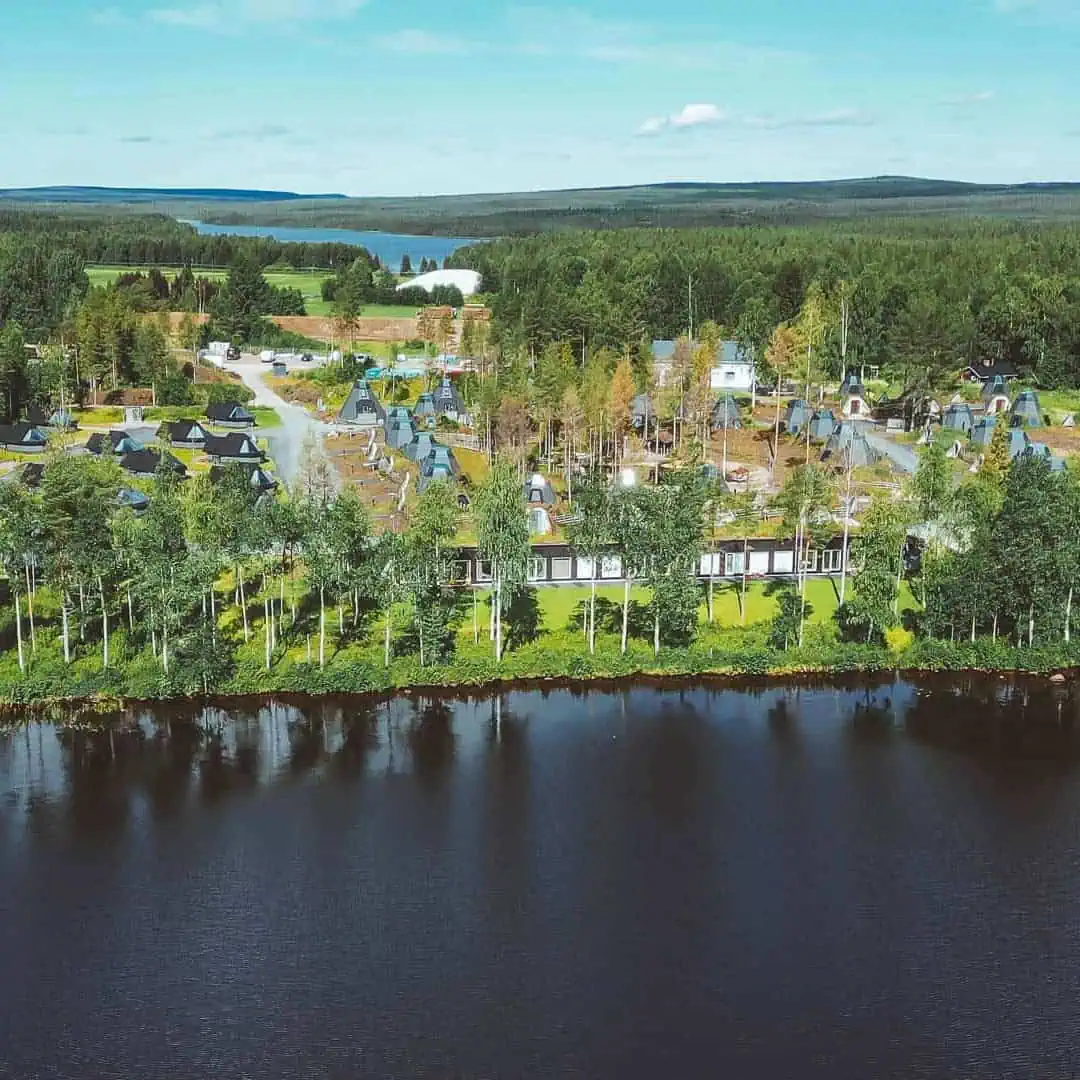
- Double Auroras: What’s that? This phenomenon occurs when the Northern Lights dance in the sky and are reflected on the surfaces of lakes and ponds. It can only be seen in early autumn when the waters are not yet frozen.
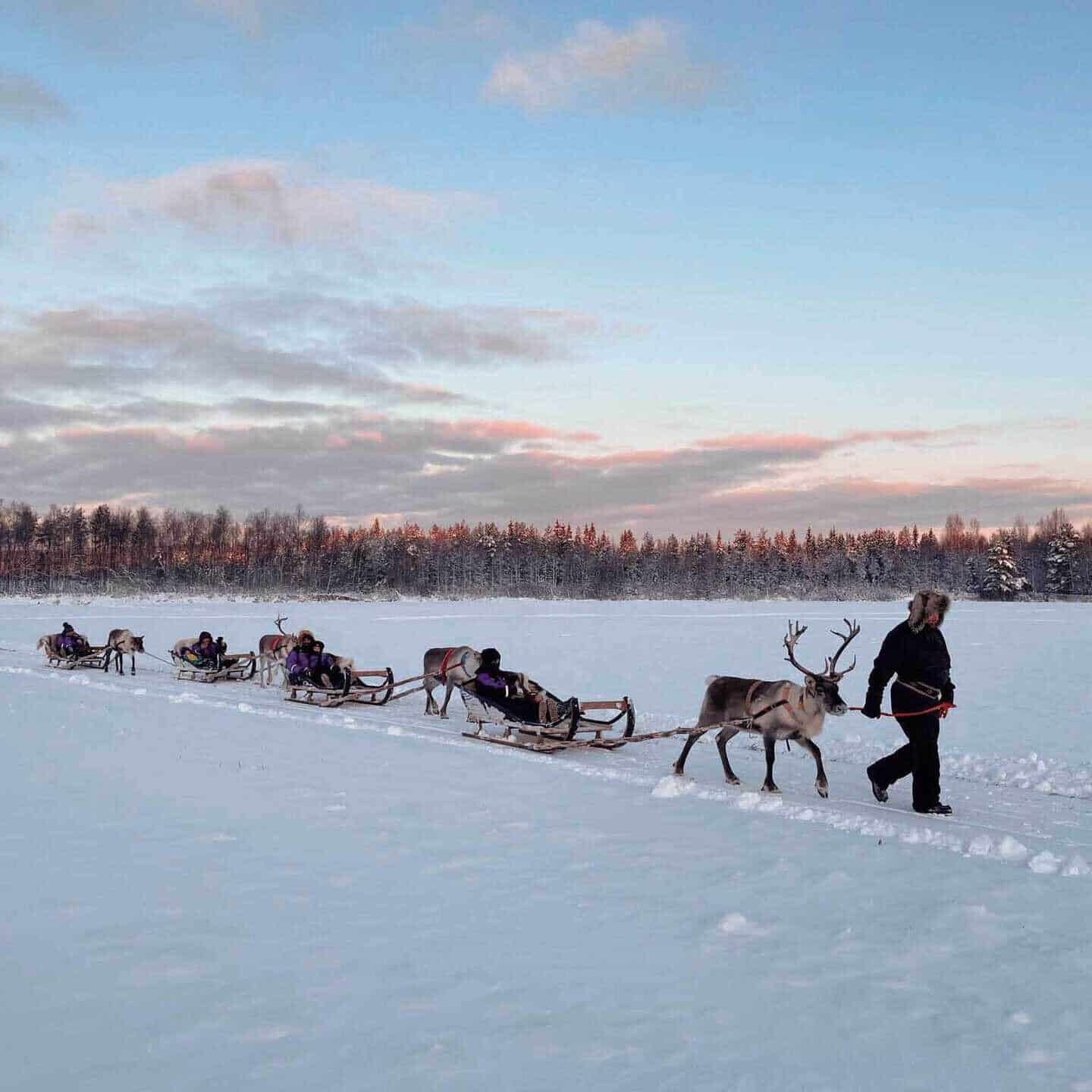
- Abundance of Activities: Lapland in autumn is a playground for outdoor enthusiasts. In addition to Northern Lights tours, visitors can enjoy hiking, fishing, canoeing, and even reindeer safaris. The region’s pristine wilderness is ripe for exploration, offering a perfect blend of adventure and relaxation.

Aurora Hunt on Wheels
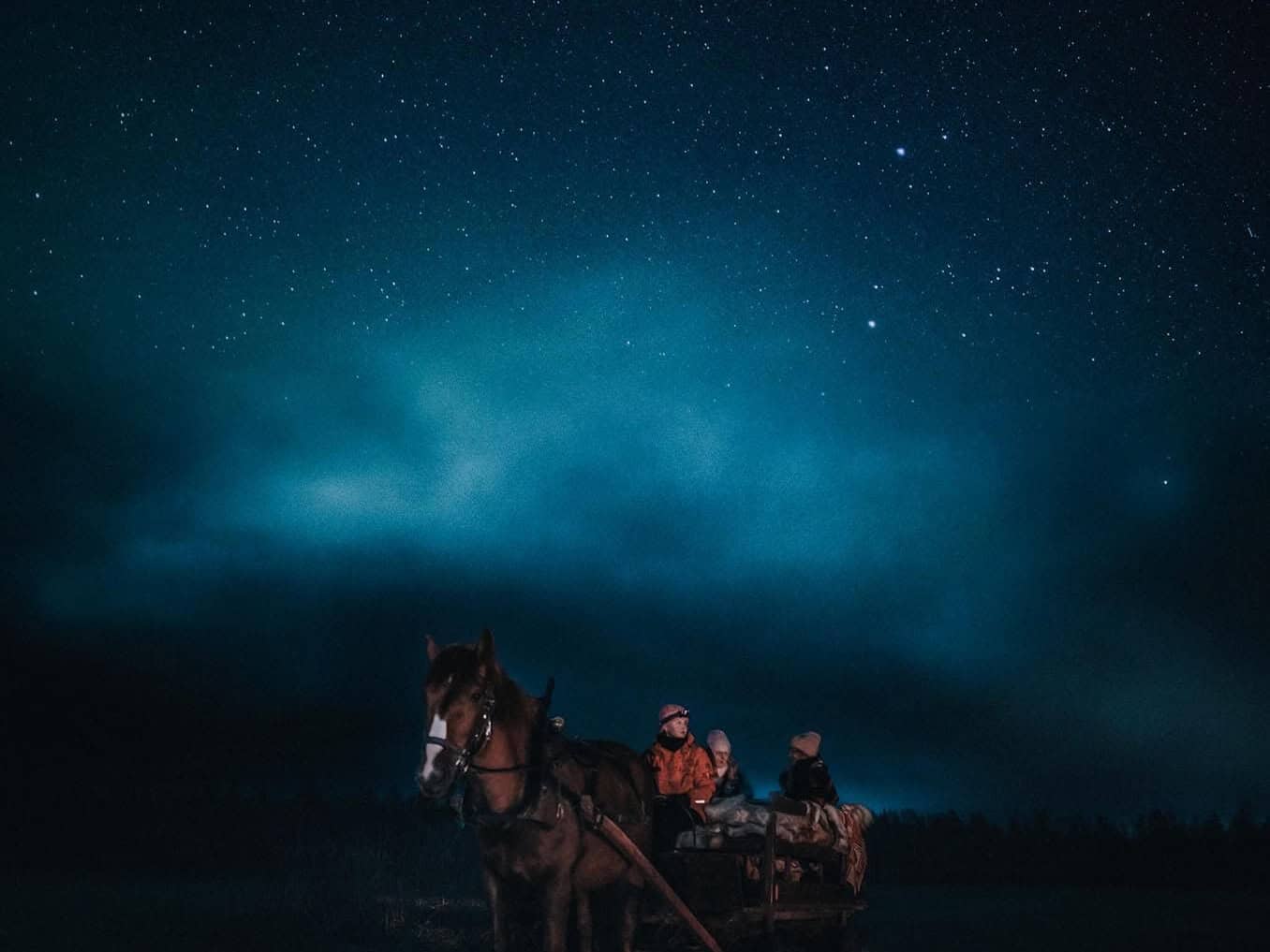
Horse Carriage Ride under the Night Sky

Aurora Train to Wilderness Camp
So, How Likely Is It to See the Auroras in Autumn?
The answer is: very likely! Although we don’t have precise figures, the Finnish Meteorological Institute indicates that the Northern Lights are visible on roughly 50% of nights in Lapland, with peak activity during spring and autumn. While witnessing the Northern Lights is always a memorable experience, visiting in autumn can significantly enhance your chances of seeing this spectacular phenomenon.